Our Location
UNIT 1406A, 14/F, THE BELGIAN BANK BUILDING, NOS. 721-725 NATHAN ROAD, MONG KOK HONG KONG

UNIT 1406A, 14/F, THE BELGIAN BANK BUILDING, NOS. 721-725 NATHAN ROAD, MONG KOK HONG KONG

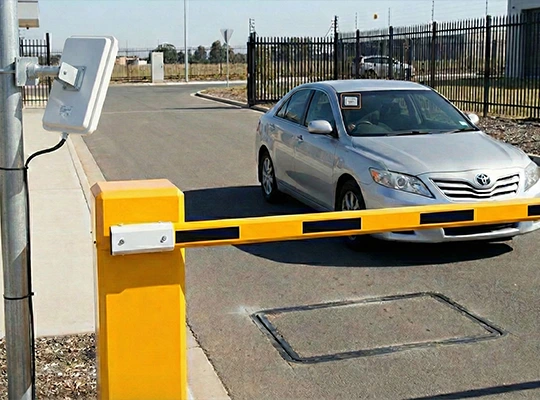
In the modern landscape of access control, the barrier gate (boom barrier) has evolved from a simple motorized arm into a sophisticated endpoint within an intelligent security network. While push-buttons and remote controls still exist, high-efficiency parking lots and secure facilities rely on automated data exchange.
At the heart of this integration lies the industry-standard Wiegand Protocol. This article explores how barrier gate control boards utilize the 26-bit Wiegand interface to “shake hands” with RFID readers and License Plate Recognition (LPR) systems.
Before diving into the hardware, it is essential to understand the language they speak. The Wiegand protocol is the universal standard for communication between a card reader (or biometric/camera device) and an access controller.
While there are many formats (34-bit, 37-bit), 26-bit Wiegand is the most common open format.
A standard 26-bit Wiegand string is a binary code sent via voltage pulses. It breaks down as follows:
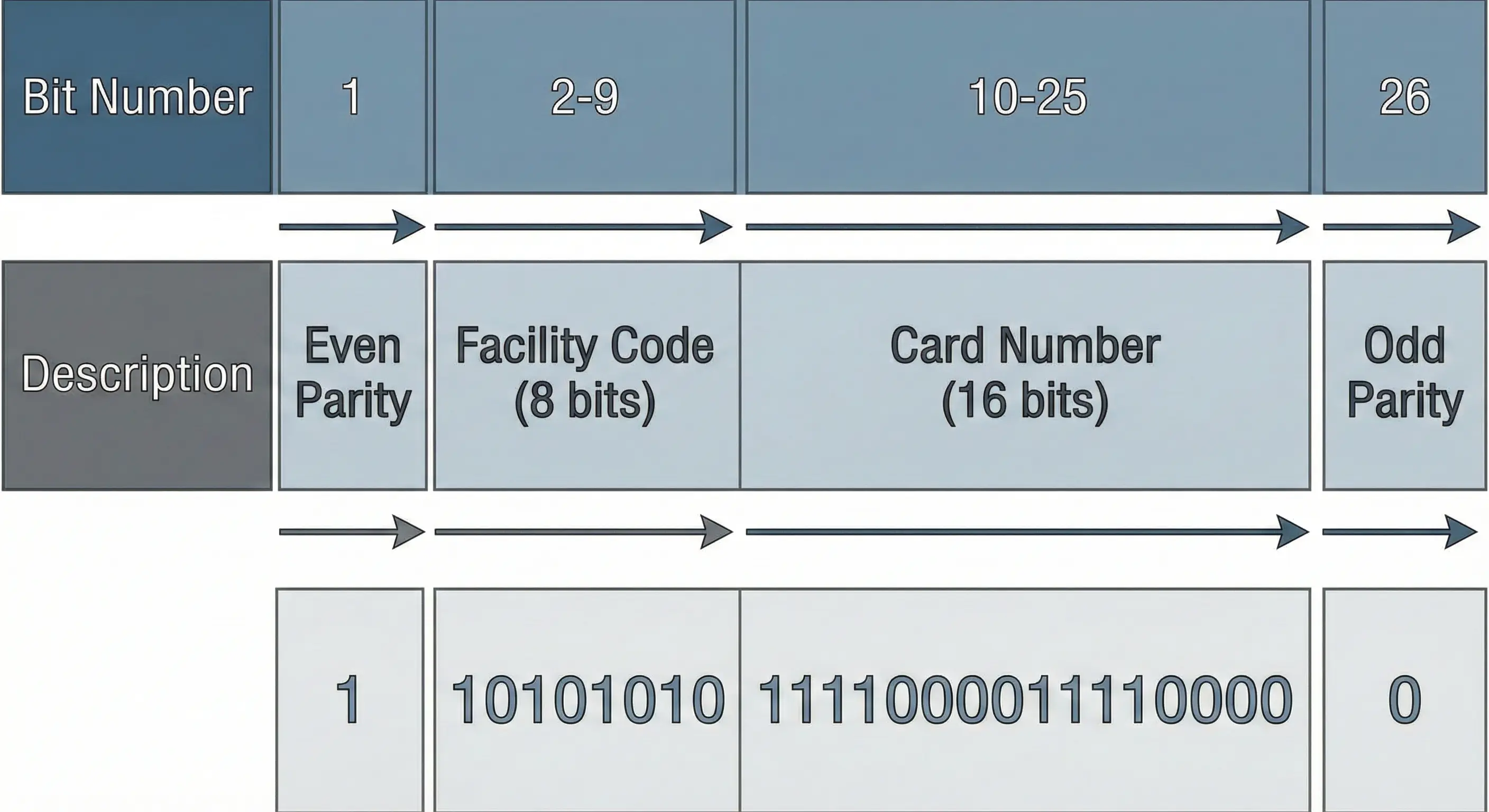
Note on Electrical Interface: Physically, this protocol requires three wires: Data 0 (Green), Data 1 (White), and Ground (Black). This common ground is critical for signal reference.
Modern barrier gate are equipped with a control board that acts as the “brain.” Advanced boards feature a specific terminal block labeled Wiegand Input or Reader Interface, which is designed to receive signals from RFID readers, card readers, or other access control devices via the Wiegand protocol. On ACCESS TECH’s barrier gate control boards, this functionally equivalent terminal is instead labeled “Control Signal Input”, serving the same purpose of integrating external access control signals to trigger gate opening and closing.
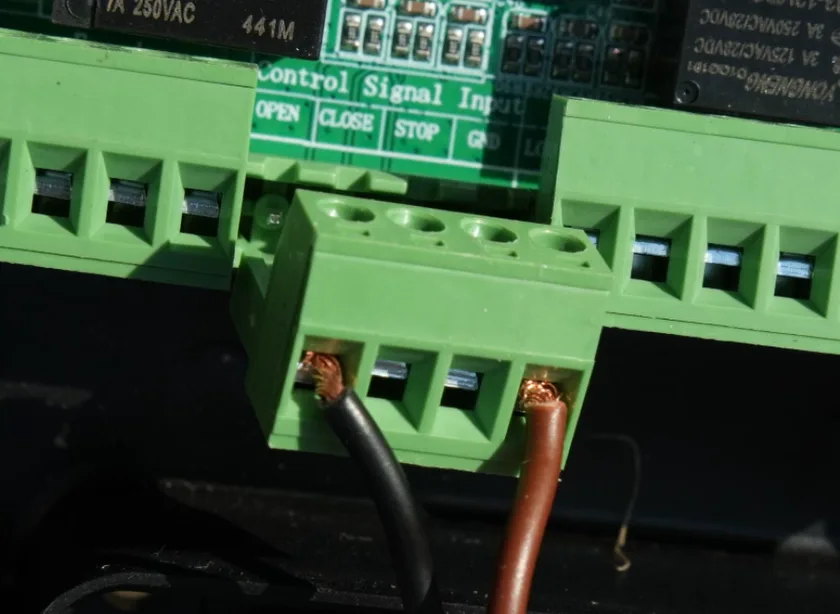
When a peripheral device (like an RFID reader) is connected to this interface, the gate controller stops acting as a standalone motor and begins acting as a decision-maker (or passes the data to a master access control panel).
When connecting these devices to an ACCESS TECH barrier gate, the process transforms complex data into a simple “Open” command.
This is the standard setup for locations with fixed users, such as residential gated communities or staff parking lots where the same vehicles enter daily.
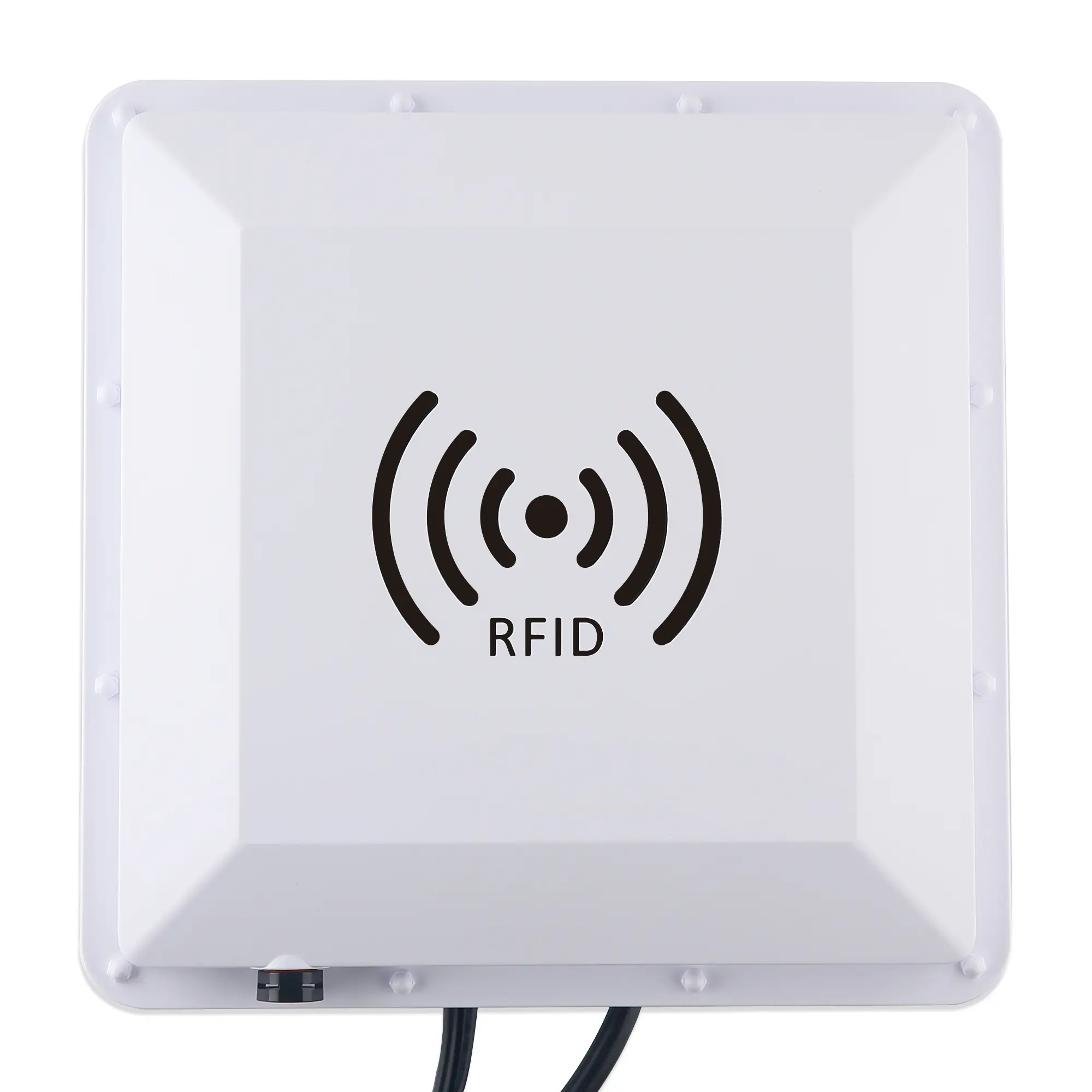
This system is ideal for areas with high visitor turnover, such as shopping malls, airports, or public commercial parking.
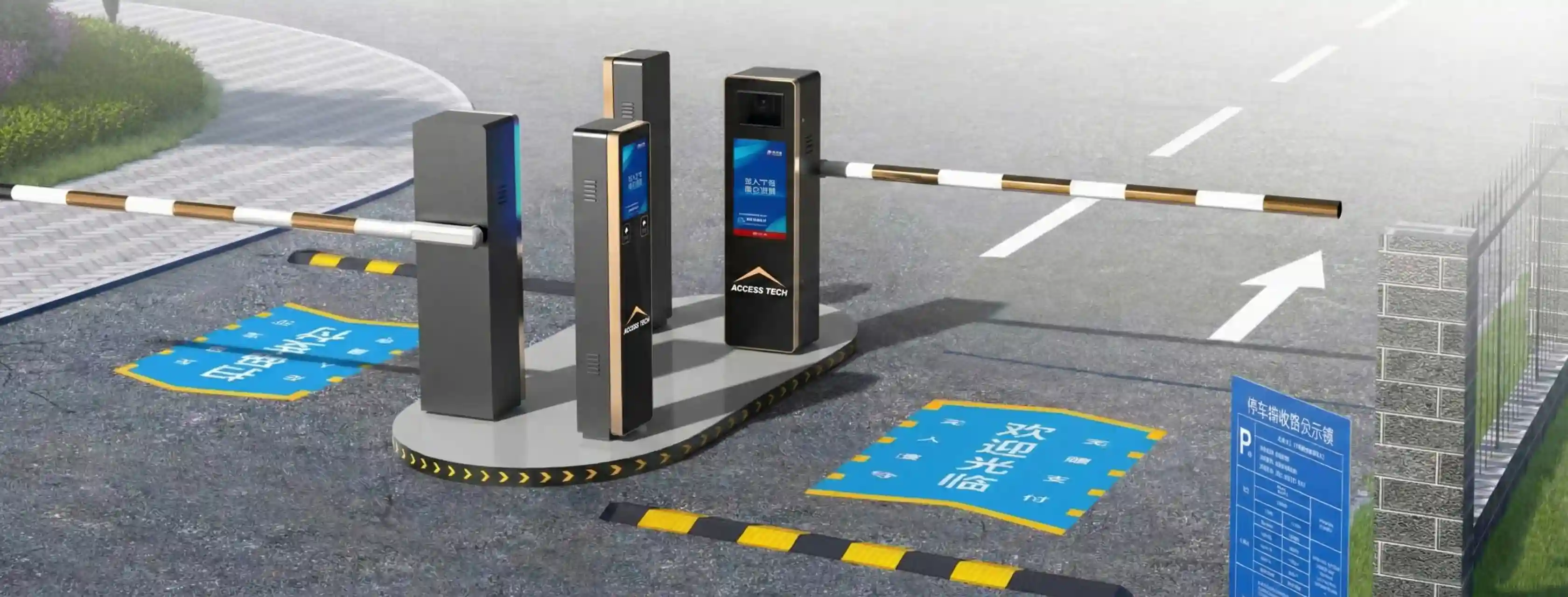
Which solution is right for your facility? Here is a breakdown of the pros and cons to help you decide.
| Feature | Long-Range RFID | License Plate Recognition (LPR) |
| Best Scenario | Residential & Tolling. Ideal for fixed residents (gated communities) or highway tolls (e.g., Malaysia) where speed is critical. | Commercial & Retail. Ideal for malls and public lots where visitors change daily and do not have tags. |
| Primary Benefit | Speed & Reliability. It is unaffected by weather or lighting. | Profit & Convenience. Enables automated billing/revenue collection without issuing physical tags. |
| Installation | Requires distributing tags/stickers to every user. | No distribution needed; any car can enter. |
| Accuracy | High (99%+). Radio waves work through rain and fog. | Variable. Heavy rain, mud on plates, or sun glare can affect accuracy. |
| Security | High. Tags are difficult to clone. | Moderate. Plates can be stolen or swapped (though advanced AI detects make/model). |
Connecting these advanced systems to your barrier gate is straightforward with our hardware design.
On a standard ACCESS TECH barrier gate control board, you will simply locate the terminal block labeled “Control Signal Input”.
Once wired, the ACCESS TECH board handles the high-speed processing of the 26-bit signal to ensure smooth, delay-free operation.
Whether you choose the rugged reliability of RFID for your residential project or the commercial versatility of LPR for your shopping mall, the key to a successful parking system is the stability of the barrier gate that anchors it.
Need help designing your entrance?
Contact ACCESS TECH today. We don’t just manufacture the hardware; we provide the complete channel management solution tailored specifically to your usage scenario—ensuring secure access and reliable tech for every vehicle that enters your facility.


